What Your Furniture Colors Say About You — And How to Get It Right
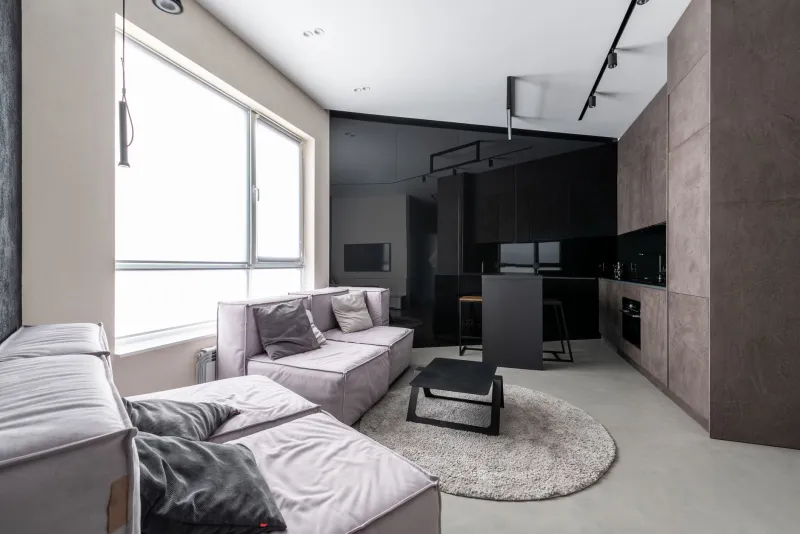
Walk into a room painted in deep navy with charcoal upholstery, then walk into one filled with warm whites and soft sage. You'll feel the difference before you even sit down. That shift isn't just aesthetic — it's psychological. And when it comes to contemporary furniture, color is one of the most underestimated tools in your design arsenal.
At Ashley Modern Furniture, we think about color not just as a finishing touch but as a starting point. Whether you're outfitting a new apartment in Austin or refreshing a living room in Chicago, understanding the emotional weight of different hues can completely transform how a space feels to live in.
Why Color Actually Matters in Modern Design
Contemporary interiors are often celebrated for their clean lines, functional forms, and restrained palettes. But "restrained" doesn't mean boring — it means intentional. Modern design uses color strategically, letting individual pieces carry visual weight without overwhelming the eye.
Research in environmental psychology consistently shows that color influences mood, energy levels, and even perceived room size. Warm tones tend to feel energizing and social. Cool tones promote calm and focus. Neutral palettes create a sense of order that many people find deeply satisfying — especially after a long day.
The key is knowing what you want a room to do for you before you start picking out sofas.
Building Your Base: The Power of Neutral Anchor Pieces
If you're starting from scratch, the smartest move is to anchor your space with neutral foundation pieces — think a light oatmeal sectional, a warm gray upholstered bed frame, or a walnut-toned coffee table. These pieces give you flexibility without locking you into a mood.
Neutrals in modern furniture aren't just white and beige anymore. The contemporary palette has expanded to include warm greiges, dusty taupes, soft blacks, and muted terracottas that feel grounded without being heavy. These shades work beautifully with the clean silhouettes that define modern design, letting the form of the furniture speak for itself.
Once your foundation is set, you have room to layer in personality.
Strategic Pops of Color: Where Personality Comes In
This is where things get fun. A neutral base isn't a blank, sterile backdrop — it's an invitation to be deliberate about the colors you introduce.
Bold and expressive types tend to gravitate toward jewel tones: deep emerald accent chairs, burnt orange throw pillows, or a cobalt blue side table that anchors a corner. These choices signal confidence and creativity, and in the context of modern furniture's clean lines, they hit especially hard. One bold piece in an otherwise neutral room becomes a focal point rather than visual noise.
Calm and introspective personalities often feel most at home with cool, muted palettes — soft blues, dusty lavenders, sage greens, and pale grays. These colors are associated with rest and mental clarity, making them ideal for bedrooms and home offices. A slate-blue upholstered headboard or a sage green accent bench can bring that energy into a space without requiring a full room overhaul.
Social, warm-hearted people frequently connect with earthy, inviting tones — terracotta, warm amber, camel leather, and rich wood finishes. These colors make living rooms feel welcoming and lived-in, which is exactly the vibe you want when you're hosting friends or just curling up for a movie night.
Room-by-Room Color Thinking
Not every color works in every room. The function of a space should always inform your palette choices.
Living room: This is your social hub, so you want a balance of energy and comfort. Warm neutrals with one or two bold accent pieces tend to work well. A rust-colored armchair or a deep charcoal sofa against lighter walls creates visual interest without feeling overstimulating.
Bedroom: This is where calm should reign. Stick to softer, cooler tones for major pieces — bedframes, dressers, upholstered headboards — and save any warmer accents for textiles like throws and pillows. The goal is a space that tells your brain it's time to wind down.
Home office: Blues and greens are your friends here. Both have been linked to improved focus and reduced stress in studies on workplace environments. A navy desk chair or a muted olive bookcase can subtly support concentration without being distracting.
Dining area: Warmth matters here. Earthy tones — think cognac leather dining chairs, a warm walnut table, or deep terracotta accessories — make people feel at ease and encourage lingering over meals.
The Modern Design Rule Worth Breaking
Conventional wisdom says modern interiors should stay monochromatic or stick to two or three colors max. And honestly, that's solid advice for beginners. But once you understand how colors interact, you can push a little further.
Contrasting warm and cool tones in the same space — like a warm oak floor paired with a cool blue sofa and matte black hardware — creates a dynamic tension that feels sophisticated rather than chaotic. It's a trick that interior designers use constantly, and it works especially well with modern furniture because the clean forms prevent things from feeling cluttered.
The real rule isn't about limiting your palette. It's about making sure every color you choose is there on purpose.
Start With How You Want to Feel
Before you browse collections or pull paint swatches, ask yourself one question: how do I want to feel in this room? Energized? Peaceful? Creative? Grounded?
Your answer is your design brief. Let it guide your color choices, and you'll end up with a space that doesn't just look good in photos — it actually feels good to live in every single day.
At Ashley Modern Furniture, we believe your home should be a reflection of your best self. Color is one of the most direct ways to get there.