Stop Replacing, Start Investing: The Real Math Behind Quality Furniture
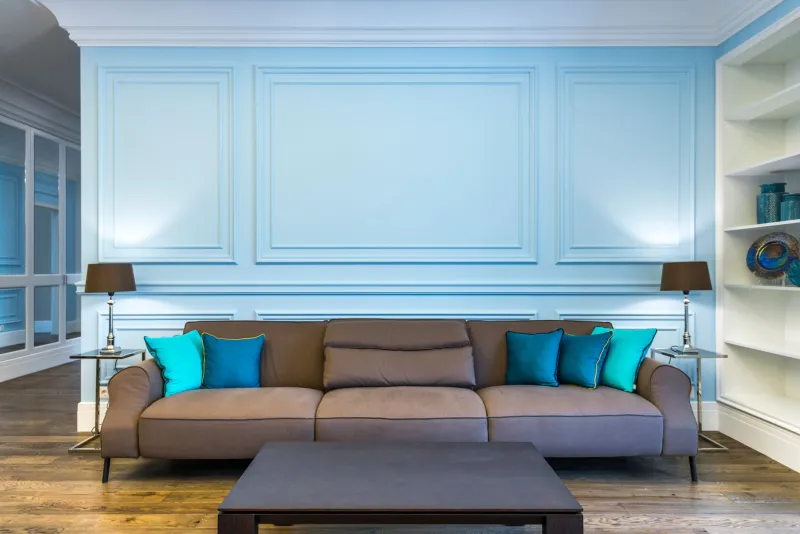
There's a certain thrill to dragging home a flat-pack find or snagging a deeply discounted sectional during a weekend sale. It feels like winning. But furniture math is sneaky, and what looks like a bargain on day one has a way of becoming a financial headache by year three.
At Ashley Modern Furniture, we hear this story constantly — customers who cycled through three or four budget sofas in a decade and ultimately spent more than they would have on a single well-built piece. So let's actually do the math, look at the hidden costs most people overlook, and give you a real framework for deciding when a furniture investment is genuinely worth it.
The Five-Year Furniture Test
Let's start with a concrete example. Say you're furnishing a living room and you're eyeing two sofas:
- Option A: A budget-friendly sofa at $499
- Option B: A contemporary, frame-and-cushion-guaranteed sofa at $1,799
On face value, Option A wins by $1,300. But here's where the five-year test matters.
Budget sofas — particularly those built with particleboard frames, low-density foam, and staple-gun upholstery — typically start showing wear between 18 months and three years with regular use. Cushions flatten, frames wobble, fabric pills. By year five, most people have either replaced the sofa entirely or are living with something they genuinely dislike.
If you replace Option A twice in ten years, you've spent roughly $1,497 — plus delivery fees, disposal costs (often $50–$150 per pickup depending on your city), and the time and energy of shopping again. Suddenly, Option B — which carries an average lifespan of 10–15 years with proper care — looks dramatically different on a per-year basis.
Option A cost per year (10 years, two replacements): ~$150–$200/year Option B cost per year (10 years, no replacement): ~$180/year
The gap narrows considerably. And that's before we account for the hidden costs.
What the Price Tag Doesn't Show You
Furniture designers and industry professionals are consistent on this point: the sticker price is only part of the story.
"When I work with clients on room plans, I always ask them to calculate their cost-per-use," says one veteran interior design consultant who's worked with residential clients across the Midwest and Southeast. "A $1,500 dining table you use every single day for 15 years is a much better value than a $400 table you replace twice and resent every time you sit down."
That cost-per-use framing is worth taking seriously. Here are the hidden expenses most shoppers never factor in:
Delivery and removal fees. Furniture delivery in major US cities can run $75–$250 per order. If you're replacing pieces every two to three years, those fees compound quickly.
Disposal costs. Getting rid of old furniture isn't free. Junk removal services typically charge $100–$200 for a sofa pickup. Some municipalities offer bulk trash pickup, but scheduling delays mean you're often living around a worn-out piece longer than you'd like.
The redesign spiral. Cheap furniture rarely ages gracefully or coordinates well with new pieces. When one item gets replaced, it often triggers a ripple effect — suddenly the rug looks wrong, the accent chair doesn't match, and you're mid-renovation when you hadn't planned to be.
Emotional overhead. This one's harder to quantify, but it's real. Living with furniture you don't love — pieces that sag, wobble, or just feel wrong — creates low-grade daily friction. Design psychology research consistently links home environments to mood, stress levels, and even productivity. A space that feels unsettled tends to feel unsettling.
How to Evaluate Whether a Piece Is Actually Worth It
Not every purchase needs to be a long-term investment, and not every room calls for the same approach. Here's a practical framework for evaluating any significant furniture buy:
1. Calculate cost per year. Divide the purchase price by the expected lifespan (check manufacturer warranties and read reviews specifically about durability). Compare that number against the cheaper alternative's cost per year across the same timeframe.
2. Check the frame construction. Kiln-dried hardwood frames — oak, maple, ash — outlast particleboard and MDF by a significant margin. Ask retailers directly about frame materials. Any quality piece should have a clear answer.
3. Assess the foam density. For upholstered pieces, seat cushion foam density matters enormously. Look for 1.8 lb/cubic foot or higher for regular seating. Lower-density foam compresses and loses shape within a year or two of regular use.
4. Think about adaptability. Will this piece work in your next home, or is it highly specific to your current layout? Modular sofas, for example, earn their higher price point partly because they reconfigure as your life changes.
5. Consider the warranty. A manufacturer that offers a 10-year structural warranty isn't just being generous — they're telling you something about how they've built the piece.
Where It Makes Sense to Splurge — And Where It Doesn't
Investing in quality doesn't mean every item in your home needs to be top-tier. A smart approach involves identifying the anchor pieces in each room — the items that see the most use, carry the most visual weight, and are hardest to replace without disrupting the whole space.
For most homes, those anchor pieces are:
- The primary sofa or sectional
- The dining table
- The bed frame and mattress
- Key storage solutions (bookcases, media consoles) that define a room's structure
Decorative accents, throw pillows, side tables, and seasonal pieces? Those are reasonable candidates for a more budget-conscious approach. They're easy to swap, low-stakes to replace, and often benefit from being updated as your taste evolves.
The Longer View
There's a cultural tendency in the US to treat furniture as disposable — something to fill a space until something better comes along. And furniture retailers that profit from high replacement volume have little incentive to challenge that mindset.
But the data tells a different story. Quality contemporary furniture, built with solid materials and thoughtful design, doesn't just last longer — it tends to hold its visual relevance longer too. Modern design principles emphasize clean lines and functional form over trend-chasing, which means a well-chosen piece from five years ago still looks right at home today.
The furniture paradox is this: the pieces that feel like a stretch at the register are often the ones that stop costing you anything at all — financially, spatially, and emotionally — long after the cheaper options have come and gone.
Next time you're standing in a showroom doing the mental math, run the full calculation. You might find the "expensive" option is the most affordable one you could choose.