Grandma's Dresser Meets Your Modern Aesthetic: Making Inherited Furniture Work in Your Home
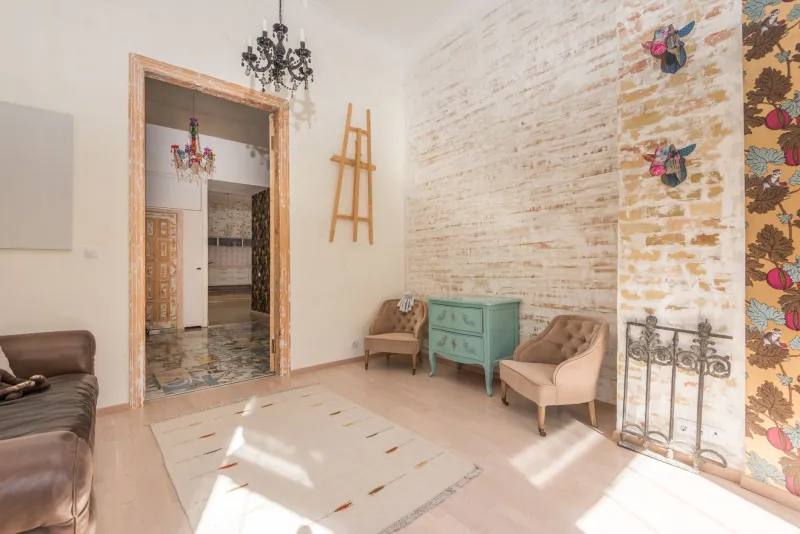
There's a particular kind of guilt that comes with staring at your late grandmother's ornate china cabinet and thinking, I really don't want this in my living room. You love the memory attached to it. You appreciate the craftsmanship. But it doesn't exactly vibe with the sleek, low-profile sofa you've been eyeing for months.
If you're in your 20s or 30s and setting up your first real home, there's a decent chance you've inherited at least one piece of furniture that came with emotional strings attached. Maybe it's a bulky mahogany dining table, a floral armchair, or an entire bedroom set from 1987. Whatever it is, figuring out what to do with it — without feeling like a terrible person — is genuinely one of the trickier design challenges young adults face.
Here's the good news: you have more options than "keep it as-is" or "secretly donate it."
First, Get Honest About the Emotional Weight
Before you make any design decisions, it helps to separate the object from the feeling. Ask yourself: Am I keeping this because I genuinely like it, or because I feel like I have to?
There's nothing wrong with either answer, but knowing which one applies changes everything. A piece you're keeping out of obligation will always feel like a compromise in your space. A piece you're keeping because it genuinely moves you — because it reminds you of Sunday dinners or summer visits — is worth working around.
Design psychology is pretty clear on this: our environments reflect our inner lives. Surrounding yourself with things you resent (even subconsciously) adds a low-grade friction to daily life. So give yourself permission to be honest. It doesn't mean you love your family any less.
The Art of the Intentional Mix
Once you've decided a piece is worth keeping, the goal isn't to hide it — it's to reframe it. Contemporary design actually has a long history of embracing contrast. A rustic farmhouse table surrounded by modern metal chairs? That's a design choice. A vintage wooden credenza topped with a sleek geometric lamp and a couple of minimalist sculptures? That's a vignette.
The trick is to make the mix look intentional rather than accidental. Here's how:
Anchor it with modern pieces. If you're keeping a traditional sofa with carved wooden legs and floral upholstery, pair it with a clean-lined coffee table in natural oak or matte black metal. The contrast actually draws attention to the interesting details of the older piece while keeping the overall room feeling current.
Limit the number of heirlooms per room. One statement vintage piece per room tends to read as curated. Three or four starts to feel like a storage unit. Pick the piece that matters most and let it breathe.
Use color to create cohesion. If your inherited furniture has warm wood tones, pull those tones into your modern pieces — think honey-colored throws, amber glass accents, or warm-toned area rugs. This creates a visual thread between old and new without forcing them to match.
When Reimagining Is the Answer
Some pieces are worth keeping in spirit but not necessarily in their original form. Reupholstering is one of the most underrated moves in the design world. That floral armchair your aunt gave you? Strip the fabric, recover it in a solid-color performance linen or a subtle geometric print, and suddenly it looks like something from a high-end boutique.
Similarly, a coat of paint can do a lot of heavy lifting. A dated wooden dresser in a warm cherry finish can become a real statement piece in matte black or deep forest green. Swap out the hardware for something more contemporary — brushed brass or matte nickel pulls are having a serious moment right now — and you've essentially got a new piece of furniture with a story behind it.
If you're not a DIY person, that's okay. Many local upholstery shops and furniture refinishers can do this work for you, and the cost is often far less than buying a comparable new piece.
Knowing When to Let Go (And How to Do It Gracefully)
Sometimes a piece just doesn't fit — not your space, not your style, not your life. And that's okay. Letting go of inherited furniture doesn't mean letting go of the memory.
A few ways to make the transition easier:
- Photograph it. Before you donate or sell a piece, take a few good photos. You'll always have the image even when the object is gone.
- Offer it to other family members first. Someone else in the family might genuinely want it, and that can feel like a much better outcome than a stranger's living room.
- Donate with intention. Giving a piece to a local charity or a family in need gives it a second life. That's something to feel good about, not guilty over.
- Keep one small thing. If a large piece has to go, see if there's a smaller element you can hold onto — a drawer pull, a decorative detail, even a small framed photo of the piece in its original context.
Building a Home That's Actually Yours
Here's the bigger picture: your home should tell your story. Not your parents' story, not your grandparents' — yours. That doesn't mean erasing where you came from. In fact, some of the most interesting, personality-filled homes are the ones that layer history with intention.
The key word there is intention. When you choose to keep a family piece, make that choice consciously and style it accordingly. When you choose to let something go, do it without guilt. And when you invest in new furniture that reflects who you are right now — the clean lines, the open space, the contemporary palette you've been drawn to — know that you're not betraying anyone. You're just building something that's genuinely yours.
At Ashley Modern Furniture, we think the best spaces are the ones that feel lived-in and personal, not like a showroom floor. Sometimes that means a vintage heirloom sitting next to a brand-new sofa. And honestly? That combination often makes for the most interesting room in the house.