Why Modern Furniture Is Actually the Secret to a Warmer, More Welcoming Home
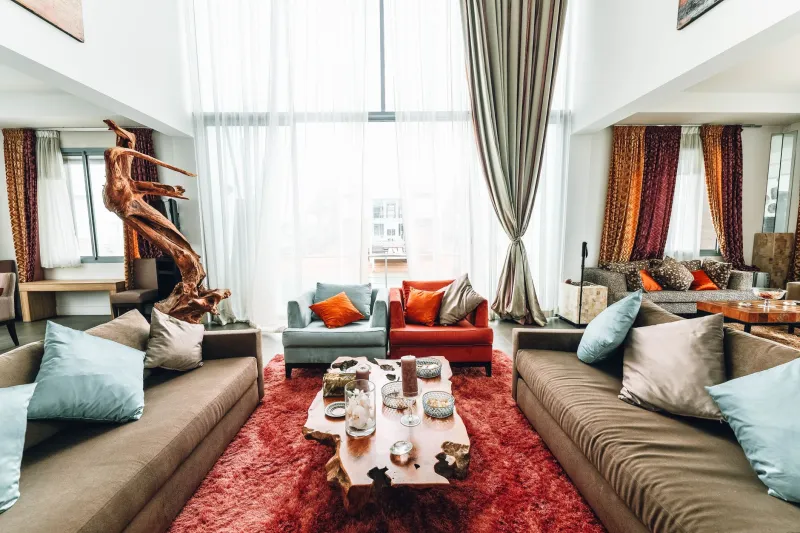
Ask someone what they picture when they hear "modern furniture," and there's a good chance they'll describe something cold. White walls. Hard surfaces. A couch that looks like it belongs in a tech company lobby. It's a fair assumption — and it's almost entirely wrong.
The truth is that contemporary furniture, when chosen and styled thoughtfully, consistently produces some of the most inviting, comfortable, and emotionally resonant spaces in American homes. The clean lines that seem stark in a showroom photograph become deeply calming in a lived-in space. The minimalist silhouettes that appear uninviting in isolation create room for warmth — literally and figuratively — once you layer in the right textures, lighting, and personal touches.
So where did this reputation come from? And more importantly, how do you move past it?
The Cold Room Myth — and Where It Actually Comes From
The "cold modern room" stereotype has a pretty traceable origin: overly styled magazine spreads and aspirational design content that prioritizes visual drama over human comfort. When designers photograph rooms for publications, they often strip out the clutter, the throw blankets, the dog beds, and the stack of books on the coffee table. What's left looks sleek — but it also looks like no one lives there.
That's not a modern furniture problem. That's a staging problem.
In reality, the same clean-lined sofa that looks austere in a photo shoot becomes the coziest seat in the house once you add a chunky knit throw, a worn leather pillow, and a side table holding a half-finished cup of coffee. Modern design gives you the structure — you bring the warmth.
Traditional furniture, by contrast, often carries its own visual warmth built in: ornate carvings, rich dark woods, layers of fabric. But that built-in warmth can also feel heavy, busy, or dated depending on the home. Modern furniture works differently. It creates space, and space — when you know how to use it — invites warmth rather than resisting it.
Clean Lines Are Actually Emotionally Calming
Here's something design psychology backs up consistently: visual clutter raises stress levels. When your eye has nowhere to rest — when every surface competes for attention with another decorative detail — your nervous system quietly works overtime.
Contemporary furniture's signature simplicity isn't just an aesthetic preference. It's a form of visual breathing room. A low-profile sofa with clean edges, a coffee table with honest geometry, shelving that doesn't shout — these elements give your brain a chance to settle. And rooms where your brain can settle feel warm, even when the palette is neutral.
This is why so many people who switch from traditional to modern furniture report feeling unexpectedly at ease in their homes. The furniture isn't doing less — it's doing something different. It's creating calm instead of stimulation, and calm is one of the most underrated ingredients in a welcoming space.
Material Choices Make or Break the Feeling
If there's one place where contemporary furniture genuinely earns its "cold" reputation, it's in poor material choices. A room full of chrome, glass, and synthetic upholstery will feel sterile. But that's not a modern design problem — that's a material problem.
The best modern furniture leans hard into natural materials: solid walnut and white oak for frames and legs, linen and bouclé for upholstery, stone and ceramic for accent surfaces. These materials carry inherent warmth because they're tactile and alive. Run your hand across a walnut dining table and you feel something real. Sink into a deep-seated sofa upholstered in a nubby natural fabric and the word "cold" genuinely doesn't come to mind.
When you're shopping for contemporary pieces, pay close attention to material composition. Solid wood legs versus plastic. Natural fiber upholstery versus polyester microfiber. Matte finishes versus high-gloss. These decisions, more than silhouette or style, determine whether your room ends up feeling sophisticated and inviting or clinical and forgettable.
Layering Is the Real Secret
No piece of furniture — modern, traditional, or anywhere in between — creates warmth entirely on its own. Warmth in a room is always a layered effect, built from furniture, lighting, textiles, plants, and personal objects working together.
The advantage modern furniture has is that its simplicity makes layering easier. A clean-lined sectional in a warm greige is essentially a canvas. Layer in a faux sheepskin throw, a few throw pillows in earthy tones, a low wooden coffee table with a cluster of candles, and a floor lamp with a warm-toned bulb — and you have something that feels genuinely cozy without any of the visual noise that traditional layering can produce.
Lighting deserves special mention here. Modern rooms often get criticized for feeling cold when the real culprit is overhead lighting. Swap out a single harsh overhead fixture for two or three warm-toned lamps placed at different heights, and the same room with the same furniture transforms completely. Modern furniture actually responds beautifully to warm lighting because its clean surfaces catch and reflect the glow in ways that ornate traditional pieces simply can't.
The Role of Scale and Proportion
One reason modern furniture feels warmer in person than in photos is scale. Contemporary design tends to favor furniture that's appropriately sized for the room — pieces that don't overwhelm the space or crowd the floor plan. When furniture is scaled well, rooms feel open and generous rather than cramped.
And generous spaces feel welcoming. There's something deeply hospitable about a room where guests can move freely, where the layout invites conversation, where nothing feels like it's in the way. Modern furniture's emphasis on proportion and negative space creates exactly that kind of environment.
Compare this to a room packed with oversized traditional furniture, and the difference becomes clear. The traditional room might look warm in a photograph, but standing inside it can feel claustrophobic. The modern room, by contrast, gives everyone room to breathe — and that physical ease reads as warmth in a very real sense.
Rethinking What "Warm" Actually Means
Maybe the most useful reframe here is reconsidering what warmth in a home actually means. If warmth equals dark wood, heavy fabric, and ornate detail, then yes — modern furniture will sometimes fall short. But if warmth means a room that calms you, welcomes guests naturally, reflects your personality without overwhelming it, and genuinely improves how you feel day to day, then contemporary design delivers in spades.
At Ashley Modern Furniture, we see this shift happen all the time. Customers come in skeptical — convinced that modern means cold — and leave having discovered that the right contemporary pieces can make their home feel more like them than anything they've tried before. The key is always the same: choose quality materials, layer intentionally, pay attention to lighting, and trust that simplicity is not the enemy of comfort.
The warmth was never missing from modern design. It was just waiting for you to bring it home.