When Cozy Becomes the Enemy: Finding Furniture That's Both Comfortable and Beautiful
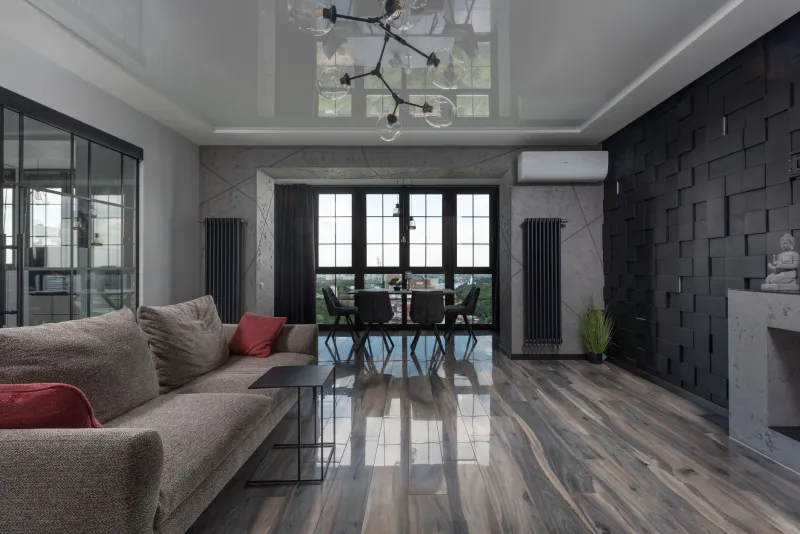
There's a chair in a lot of American living rooms that everyone knows. It's not pretty. It doesn't match anything. The fabric has seen better days, and it sort of swallows whoever sits in it like a beige cloud. But nobody touches it. Nobody moves it. Because whoever owns it will tell you — with total conviction — that it's the most comfortable thing they've ever sat in.
Sound familiar? You might be living with your own version of that chair.
The tension between personal comfort and visual harmony is one of the most honest design conversations you can have with yourself. And it's worth having, because that one beloved piece you refuse to part with might be doing more damage to your space than you realize.
The Anchor Problem
In interior design, there's a concept called an anchor piece — a dominant item that sets the visual tone for everything around it. Ideally, your anchor is intentional: a well-chosen sofa, a standout dining table, a statement bed frame. But sometimes, the anchor is accidental. A piece you never meant to keep long-term has quietly become the organizing principle of your entire room, and every other purchase you make is unconsciously designed around it.
When that anchor is something you love purely for comfort — but not for how it looks — you end up in a cycle. You buy a rug that "kind of works" with it. You pick throw pillows that "don't clash too badly." You avoid certain color schemes because they'd highlight how out of place that one piece really is. Over time, your room becomes less a reflection of your taste and more a negotiation with a single stubborn piece of furniture.
That's a real cost, even if it's invisible.
Habit vs. Genuine Need
Here's the question worth sitting with: do you love that piece because it genuinely meets a physical need, or because you've had it so long that comfort and familiarity have blurred together?
Humans are creatures of habit, and we tend to assign emotional weight to objects that have been around during meaningful periods of our lives. That's not a flaw — it's deeply human. But it does mean we sometimes mistake "I'm used to this" for "this is irreplaceable."
A useful exercise: if you saw your beloved-but-mismatched piece in a store today, at full price, with your current taste and design goals in mind, would you buy it? If the honest answer is no, that tells you something important.
This doesn't mean you have to get rid of it immediately. But it does mean you should stop treating it as a permanent fixture and start thinking of it as something that might eventually have a better home — maybe a guest room, a home office, or even a new owner who'll love it exactly as it is.
The False Choice Between Comfort and Style
One of the biggest myths in home design is that you have to pick a side: either your space looks great or it feels good. That's simply not true anymore, and modern furniture has made it less true than ever.
Contemporary sofas are engineered with deep seat cushions, high-density foam, and ergonomic support that rivals anything from decades past. Performance fabrics are soft, durable, and available in colors and textures that work beautifully in real design schemes. Sectionals can be configured to maximize both lounging comfort and spatial flow. The idea that you have to sacrifice one for the other is outdated.
If you've been holding onto a piece because nothing else has ever felt as comfortable, it might just mean you haven't found the right replacement yet — not that one doesn't exist.
How to Honestly Evaluate What You Have
Start by looking at your room from the doorway. This is a perspective you rarely use day-to-day, which makes it surprisingly effective for getting a fresh read on your space. Ask yourself:
- Does the room feel cohesive, or does one piece visually dominate in a way that feels off?
- Is there a piece you consistently try to "work around" when decorating or styling?
- If a friend walked in for the first time, what would they notice first — and would that be intentional?
Then sit in every piece you own and ask different questions:
- Does this actually support my body the way I need it to?
- Or have I just adapted to it over time?
- Is the comfort I feel here physical, or is it emotional familiarity?
This dual audit — visual and physical — gives you a much clearer picture of what's genuinely serving you versus what you're keeping out of inertia.
Making the Transition Without Losing What You Love
If you do decide it's time to replace a comfort-first piece that's been holding your room back, don't rush it. This is actually a great opportunity to be really intentional.
Visit showrooms and sit in things. Spend time with them. A sofa or chair you're buying for comfort should earn that claim in person, not just in product descriptions. Pay attention to seat depth, cushion firmness, armrest height, and back support — all the things that determine whether something feels great on day one and day three hundred.
At the same time, bring your design goals into the conversation. What color palette are you building toward? What style feels like home to you right now? Contemporary furniture gives you a lot of room to work with — clean lines, neutral bases with interesting textures, modular options that let you customize the configuration — so you don't have to sacrifice personality to get something that fits your space.
The goal isn't a showroom. The goal is a room that looks like you meant it and feels like you want to live in it.
Both Can Win
The comfort-versus-style debate doesn't have to end with a loser. The best furniture decisions happen when you stop treating those two things as opposites and start looking for pieces that genuinely deliver on both. They exist. They're out there. And once you find one, you'll wonder why you held onto the old standby for so long.
Your favorite piece should be your favorite piece for all the right reasons — not just because you've never bothered to look for something better.