When 'Too Nice to Touch' Becomes a Problem: Rethinking What a Beautiful Home Should Feel Like
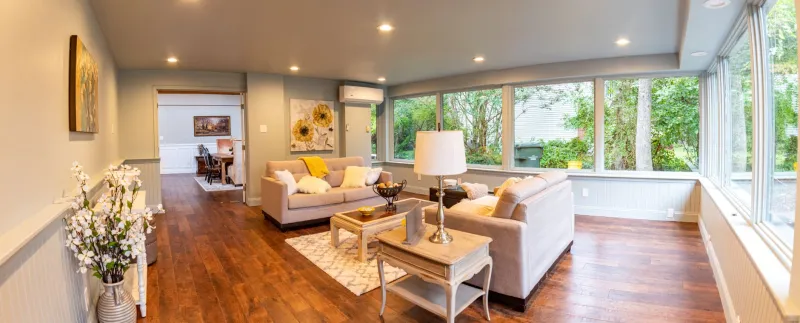
You finally got the sofa. The one you'd been saving for, the one that looked absolutely stunning in every photo you pinned. It arrived, you positioned it just so, and for about three days you felt genuinely proud every time you walked into the room.
Then something strange happened. You started hovering near it instead of sinking into it. You told your kids not to eat anywhere close to it. You put off having friends over because you weren't sure the rest of the room was quite ready to match it. The sofa became less of a place to relax and more of a very expensive object to protect.
Sound familiar? You're not alone — and there's actually a name for what's happening.
The Anxiety Nobody Talks About When You Buy Nice Furniture
Design psychologists call it precious object syndrome — though most of us just know it as that low-grade stress that comes from owning something beautiful you're terrified to ruin. It shows up more than people admit. A dining table that never gets used for actual family dinners. A living room that looks like a showroom but never hosts a movie night. Throw pillows that get rearranged every time someone sits down.
Here's the uncomfortable truth: when a home becomes more about curation than comfort, it stops doing its most important job. A space that's too polished to live in isn't really a home — it's a stage set. And spending time in a stage set is quietly exhausting.
Research in environmental psychology consistently shows that people feel most at ease in spaces that carry personal meaning and show signs of real use. A worn-in armchair your family has sat in for years creates a sense of belonging that a brand-new accent chair — still tagged, still stiff — simply can't replicate. The goal was always comfort. Somewhere along the way, aesthetics started crowding it out.
Why the Internet Made This Worse
Let's be honest: social media didn't invent the desire for a beautiful home, but it absolutely turned up the pressure. Scroll through any home design feed and you'll see spaces that look incredible and completely uninhabited. No mail on the counter. No shoes by the door. No evidence that actual humans with actual lives spend time there.
The problem is our brains are pattern-matching machines. We see those images enough times and we start benchmarking our own homes against them — spaces that were literally styled for a camera, then photographed, then filtered. Chasing that standard in real life is a recipe for dissatisfaction, because it's a standard built around the absence of living.
When you buy furniture trying to recreate a Pinterest board, you're often optimizing for how a room looks in a photo rather than how it feels to spend a Tuesday evening in it. Those are very different design goals, and conflating them is where a lot of people quietly go wrong.
The Sweet Spot Between Styled and Lived-In
None of this means you have to choose between a home that looks good and one that actually works. The goal isn't to abandon aesthetics — it's to make sure your design choices are serving your life, not the other way around.
The best-feeling homes tend to share a few things in common. They have a clear visual intention — a consistent style, a sense of cohesion — but they also have texture and history. A modern sectional with a faded quilt thrown over one arm. A sleek coffee table with a stack of actual books on it, not decorative books, real ones someone is reading. A dining table that has a tiny scratch from a holiday dinner three years ago that nobody bothered to fix because it's part of the story now.
That mix of intentional design and real life is what interior designers often call warmth — and it's surprisingly hard to manufacture. You can't buy it with the right furniture. You earn it by actually using the space.
Practical Ways to Loosen Up Your Living Space
If your home has drifted into precious territory, the fix isn't a full redesign. It's more about permission than purchases.
Give yourself a use-it rule. If you're avoiding a room or piece of furniture because you don't want it to get worn, that's a sign something's off. Furniture is meant to be used. A sofa that's never been napped on hasn't done its job yet.
Layer in things that matter to you personally. A gallery wall of family photos, a shelf with your actual book collection, a blanket from a trip you took — these aren't clutter, they're context. They're what transforms a designed space into your space. Modern furniture actually provides the perfect neutral backdrop for personal touches like these, because clean lines don't compete with what you layer on top.
Stop matching everything. One of the fastest ways to make a room feel like a catalog page is to make sure every single piece coordinates perfectly. Real homes have a little friction — a vintage lamp next to a contemporary side table, a bold rug under a neutral sofa. That slight mismatch is what makes a room feel collected rather than purchased.
Invest in durability, not just beauty. When you buy furniture that's genuinely built to last — pieces with solid construction and quality materials — you can actually relax about using them. Worry about furniture often comes from buying things that feel fragile. Quality modern furniture is designed to handle real life, which is exactly the point.
Imperfection Is the Point
There's a Japanese concept called wabi-sabi — the beauty found in imperfection and impermanence. A cracked glaze on a ceramic bowl. The patina on an old wooden table. The slight asymmetry in a handmade piece. It's a philosophy that celebrates the marks life leaves on things, rather than treating them as damage.
Your home doesn't need to go full wabi-sabi to benefit from that mindset. It just needs a little breathing room. A little permission to be a place where people kick off their shoes, leave a coffee ring on a coaster, and fall asleep on the couch during a football game.
The most beautiful homes aren't the ones that look untouched. They're the ones that look genuinely loved — and you can see the difference the moment you walk through the door.
So go ahead. Sit on the sofa. Use the dining room for Tuesday dinner, not just Thanksgiving. Let the dog up on the chair. Your home was always meant to hold your life, not protect itself from it.