The Best Furniture You'll Ever Own Is the Kind You Stop Thinking About
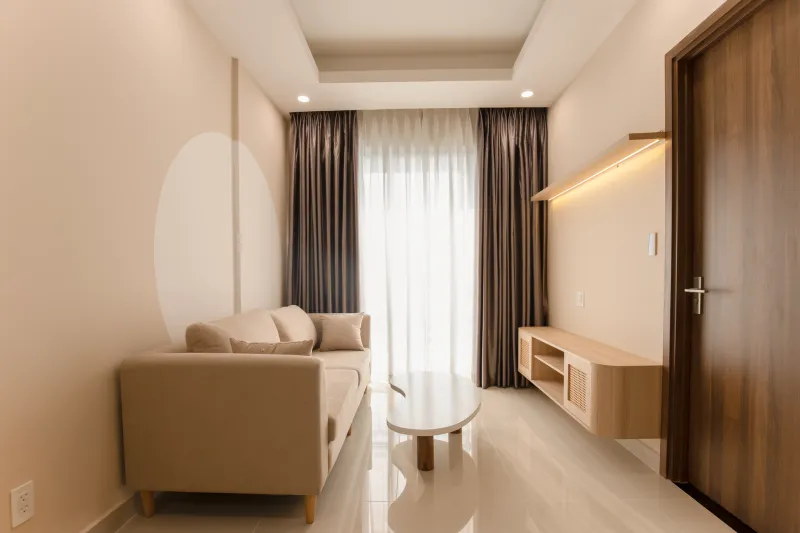
Here's a thought that might mess with your head a little: the most successful furniture purchase you'll ever make is one you eventually forget you made.
Not because it was forgettable. Because it was perfect.
There's a strange paradox hiding inside great interior design. We spend weeks — sometimes months — researching pieces, comparing finishes, reading reviews, imagining how a sofa will look against a particular wall. And then, if we've made the right choice, we stop thinking about it entirely. The piece just... disappears into our lives. And that's not a failure. That's the whole goal.
What 'Invisible Design' Actually Means
Invisible design isn't about furniture that blends into the background in a forgettable, beige-everything kind of way. It's something much more intentional than that.
When a piece of furniture is truly well-designed — proportioned correctly for the space, chosen in a finish that complements rather than competes, built to function the way you actually live — it stops demanding your conscious attention. It earns its place so completely that your brain files it under settled and moves on.
Psychologists who study environmental behavior have a name for this: habituation. It's the process by which our brains stop registering stimuli that are consistent and non-threatening. In plain terms, your nervous system stops flagging things that are working well. It saves its energy for things that aren't.
So when your dining table stops being something you notice and starts being just the place where dinner happens, that's not indifference. That's your home reaching equilibrium. That's the furniture doing its job so well it's become part of the architecture of your daily life.
Why We Confuse Impact With Noise
Social media has done a number on the way Americans think about home design. When every interior photo is styled within an inch of its life — curated throw pillows, artfully stacked coffee table books, that one sculptural lamp that exists purely to be photographed — it's easy to start believing that furniture should always be making a statement.
But there's a difference between furniture that photographs well and furniture that lives well.
A piece that constantly announces itself — bold to the point of demanding engagement every time you walk into the room — can actually become exhausting over time. Design researchers sometimes call this aesthetic fatigue: the slow drain that happens when your environment requires too much of your attention. Bold, maximalist spaces can be thrilling to visit and genuinely depleting to inhabit.
Contemporary furniture design, at its best, threads a very specific needle. It's considered enough to be beautiful, restrained enough to be livable. The clean lines and honest materials that define modern design aren't just aesthetic choices — they're functional ones. They're what allows a piece to settle into your space without creating ongoing visual noise.
How to Recognize Furniture That Will Age Into Invisibility
So how do you shop for something you're specifically hoping to forget about? It's a weird brief, but there are real signals to look for.
Proportions that fit the room, not just the photo. A sofa that looks stunning in a staged showroom but overwhelms your actual living room will never disappear. It'll always feel slightly wrong, slightly too much. Measure obsessively. Consider the negative space around a piece, not just the piece itself.
Finishes that work with your existing palette. Furniture that requires you to rearrange everything else around it will always feel like a guest rather than a resident. The best additions feel like they were always there — because they genuinely harmonize with what surrounds them.
Materials that improve with use. There's a reason solid wood, quality upholstery, and well-constructed metal frames hold up so well in contemporary design. They don't just resist wear — they absorb it gracefully. A chair that develops a gentle patina over years becomes more itself over time, not less. That kind of aging is what allows furniture to recede comfortably into the background rather than looking increasingly out of place.
Function that matches your actual habits. This one's underrated. A coffee table that's the wrong height for how you actually use your living room will always be slightly annoying — a low-grade friction you feel every day without quite identifying. Furniture that fits your life frictionlessly is furniture that disappears.
The Emotional Payoff of a Settled Home
There's something genuinely calming about walking into a room where nothing is asking for your attention. Where every element has found its place and is simply getting on with being useful and beautiful without demanding acknowledgment.
Psychologists who study restorative environments — spaces that help people recover from mental fatigue — consistently find that coherence and order are among the most powerful contributors to a room's calming effect. Not sterility. Not emptiness. Just a sense that everything belongs, that the room has reached some kind of quiet agreement with itself.
That's what well-chosen contemporary furniture can create over time. Not a showpiece. Not a conversation starter. A home that feels effortlessly like yours — so integrated that guests can't quite put their finger on what makes it feel so good, and neither can you, and that's exactly right.
Shopping With the Long Game in Mind
The next time you're standing in a furniture showroom or scrolling through options online, try asking yourself a different set of questions than you normally would.
Instead of Will this make an impression? ask Will this still feel right in five years? Instead of Does this stand out? ask Does this belong? Instead of Is this interesting? ask Is this livable?
The answers will point you toward something longer-lasting than a piece that photographs well. They'll point you toward furniture that earns its place so completely it becomes part of the fabric of your home — present everywhere, noticeable nowhere, quietly improving every hour you spend inside your own four walls.
That's the paradox, and it's a beautiful one: the furniture you'll love most is the furniture you'll eventually stop seeing. Because you'll be too busy just living — well, comfortably, and exactly where you belong.