Why Paying More for Furniture Doesn't Always Mean Getting More
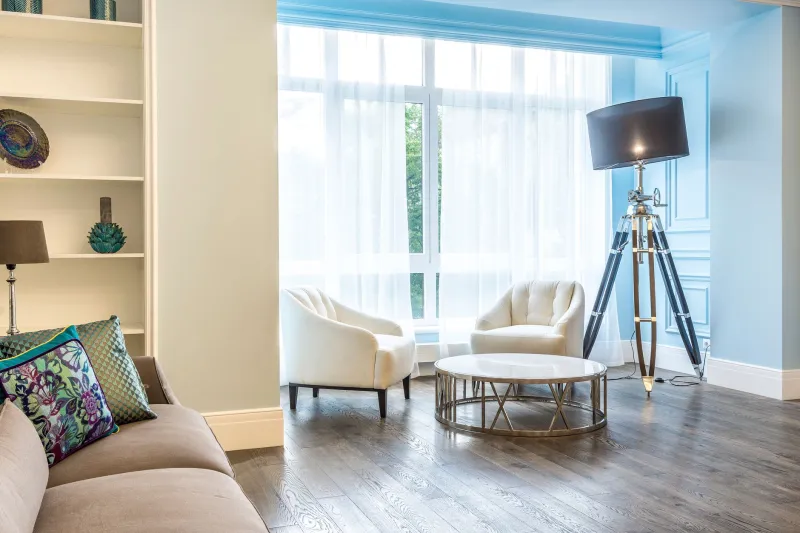
There's a particular kind of buyer's remorse that hits hardest with expensive furniture. It's not the sharp sting you feel after an impulse purchase — it's slower, quieter, and more confusing. You spent real money. You did your research. You waited for the right piece. And yet, somehow, the dining table that cost more than your first car just... sits there, failing to deliver the satisfaction you expected.
You're not alone in this experience, and you're not imagining it. There's a genuine paradox baked into the high-end furniture market, and once you understand it, you'll never shop the same way again.
The Showroom Is Not Your Living Room
Furniture retail is a stage-managed experience. Showrooms are lit by professionals, styled by designers, and arranged to make every piece look like the missing ingredient your home has been waiting for. That velvet sectional glows under warm gallery lighting. The marble coffee table gleams next to carefully curated accessories. Everything is proportioned to flatter.
Then it arrives at your apartment in suburban Columbus or your townhouse in Austin, and something shifts. The scale feels off. The color reads differently under your ceiling lights. The piece that anchored a 2,000-square-foot showroom floor now crowds your 14-by-16-foot living room.
This isn't a flaw in the furniture — it's a flaw in how we evaluate furniture. Premium retailers invest heavily in creating an emotional experience around their products, and that experience is what we're often paying for, not the chair itself. The disconnect isn't about craftsmanship. It's about context.
Status and Satisfaction Are Different Currencies
A significant portion of luxury furniture pricing reflects brand positioning, not material reality. You're paying for the name, the heritage story, the Instagram-worthy unboxing, the feeling of belonging to a particular taste tribe. None of that is inherently bad — social signaling is a real human need — but it becomes a problem when we confuse prestige with livability.
A $4,500 accent chair from a heritage European brand might be exquisitely constructed. It might also be deeply uncomfortable for anyone who actually wants to sit in it for more than twenty minutes. Its value lives in the looking, not the using. And if you bought it expecting both, you've set yourself up for that slow, quiet disappointment.
The question worth asking before any major furniture purchase isn't "Is this a respected brand?" It's "How does this object function in a real life that involves actual people, snacks, remote controls, and Sunday afternoons?"
What Genuine Quality Actually Looks Like
Here's the thing: real craftsmanship absolutely exists in the furniture world, and it genuinely does justify higher price points. The issue is learning to identify it independently of marketing.
Look at joinery, not labels. Dovetail joints in drawer construction, mortise-and-tenon connections in chair frames, corner blocking in upholstered seating — these are structural details that extend a piece's lifespan by decades. They're harder to photograph than a logo, but they're what makes a sofa still feel solid after ten years of daily use.
Feel the weight. Quality hardwood frames — kiln-dried oak, maple, or walnut — have a density that cheaper alternatives simply can't fake. Lift a cushion. Check whether the foam has any meaningful density or whether it's the kind that'll compress into a pancake within a year. Run your hand across fabric seams. Even stitching and tight weave patterns are signs that someone cared about the construction process.
None of this requires a design degree. It just requires slowing down and paying attention to the object itself rather than the story being told about it.
The Hidden Cost of Aspirational Buying
There's another layer to this paradox worth examining: the psychological weight of expensive things. When a piece of furniture costs a lot of money, we often treat it differently — and not always in ways that improve our lives.
We hesitate to let kids sit on it. We stress about pets getting near it. We stop using a room the way we actually want to use it because we're protecting an investment. That $6,000 leather sofa becomes a museum piece instead of the heart of a comfortable home. We've essentially paid a premium to make ourselves less comfortable in our own space.
This is the furniture paradox at its most ironic: the higher the price tag, the more likely we are to live around the furniture rather than with it. And a home you can't fully inhabit isn't a well-designed home — it's just an expensive one.
A Better Framework for Evaluating Worth
So how do you figure out which premium pieces are genuinely worth the investment and which ones are overpriced status objects? A few questions that tend to cut through the noise:
Will you use this every day? Pieces that earn daily contact — sofas, beds, dining chairs, desk chairs — deserve a meaningful budget because quality directly affects your physical comfort and long-term health. Splurge here without guilt.
Does the price reflect materials or marketing? Research the actual construction. Solid wood versus engineered wood, eight-way hand-tied spring systems versus sinuous springs, high-density foam versus standard fill — these distinctions are publicly documented and worth understanding before you buy.
Can you live with it, not just look at it? Before committing to any significant piece, spend real time imagining how it fits into your actual routine. Not the aspirational version of your life where everything is always tidy and beautifully lit — the real version, with all its glorious mess.
Does it solve a problem or create one? Good furniture earns its space by making your life easier or more enjoyable. If a piece requires lifestyle adjustments to accommodate it, that's a signal worth taking seriously.
The Sweet Spot Nobody Talks About
Here's what years of furniture retail and interior design experience consistently confirm: the most satisfying furniture investments tend to land in the mid-to-upper range of quality — not the absolute ceiling. Well-constructed pieces from brands that prioritize durability and livability over prestige often outperform their luxury counterparts in actual satisfaction surveys, because they were designed to be used, not displayed.
Contemporary furniture, in particular, tends to do well here. The design philosophy behind modern pieces — clean lines, functional forms, materials chosen for performance as much as appearance — aligns naturally with the goal of furniture that genuinely improves daily life rather than just looking impressive in a listing photo.
The goal isn't to spend less. It's to spend on the right things, for the right reasons, with a clear-eyed understanding of what you're actually buying. When you can tell the difference between a price tag that reflects craftsmanship and one that reflects a marketing budget, you'll stop being disappointed — and start being genuinely, quietly satisfied every time you walk into a room you built for yourself.